
Search

Image
Body
Groupe paragraphe
Champs à renseigner
Texte
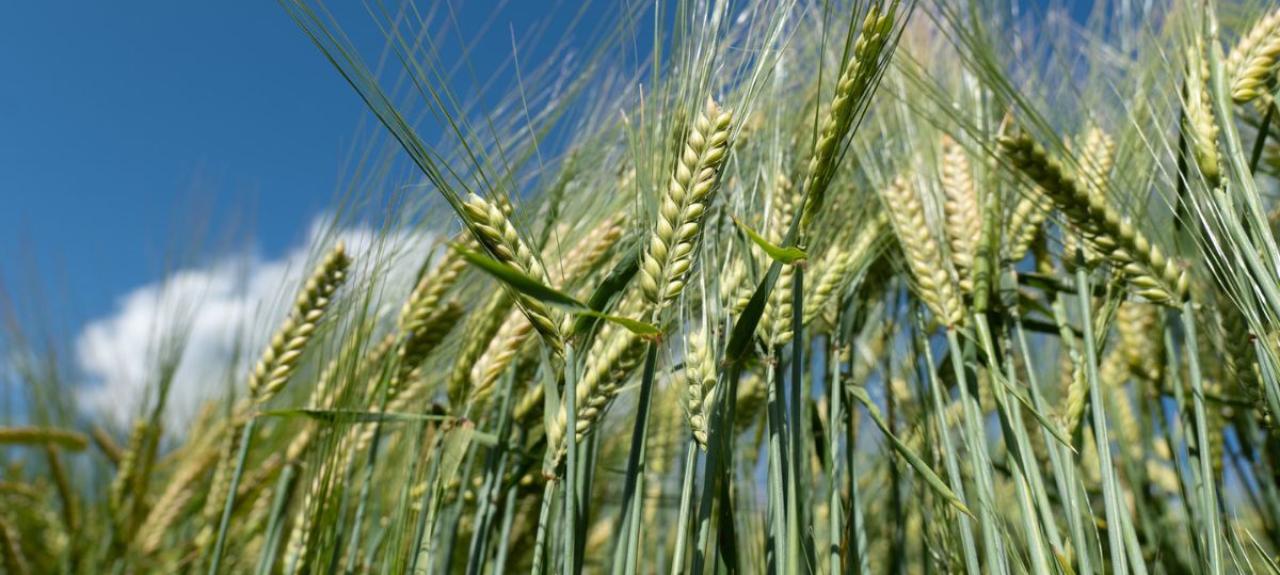
Two-row spring barley varieties respond quickly to declining soil moisture levels; thanks to their high harvest index, they convert biomass into grain more efficiently, thereby enhancing yield reliability under drought conditions.
In recent years, farmers have increasingly faced the impacts of climate change. Extreme weather events, uneven precipitation distribution, longer and more intense periods of drought, and dwindling soil moisture reserves make reliable crop production significantly more challenging. While cultivation strategies were once primarily tailored to market demands and site-specific conditions, weather-related risks now play an equally crucial role in decision-making.
In this context, innovative technologies and variety choices capable of adapting to changing climatic conditions are becoming increasingly valuable. Autumn-sown two-row spring barley represents one such promising alternative.
Flexible sowing window
Unlike traditional autumn-sown cereals, it is recommended to begin sowing two-row spring barley varieties from the second half of October. One of the key advantages of this extended sowing window is that growers can wait for optimal soil moisture and soil structure conditions. This allows sowing to take place under more favorable conditions, contributing to the establishment of a uniform crop stand and the mitigation of production risks. Sowing is flexible and can be delayed until as late as March. However, for later sowing—such as in mid-November—increasing the seeding rate is advisable, and in certain years, one must also anticipate the risk of some yield reduction.
Immediate Response to Declining Soil Moisture
One of the key agronomic advantages of spring barley is its ability to mount a rapid and effective physiological response to developing water deficits. As soil moisture levels drop, the plant quickly activates defense mechanisms designed to mitigate water loss. A crucial element of this process is the regulation of stomatal activity: by partially or fully closing the gas-exchange pores on the leaf surface, the plant significantly reduces transpiration, thereby preserving its internal water reserves for a longer period.
Research indicates that, in response to drought, spring barley rapidly activates a stress-response system governed by the hormone abscisic acid (ABA), which plays a pivotal role in adapting to water scarcity. This swift reaction is particularly valuable during the dry spells in spring and early summer that are becoming increasingly frequent today. While many crops only initiate defense mechanisms once water scarcity becomes severe, spring barley attempts to mitigate water loss during the early stages of stress. Consequently, amidst the drought periods increasingly caused by climate change, spring barley is not merely an alternative cereal crop; it is a flexible and adaptable plant capable of managing water-deficit stress more effectively thanks to its rapid responsiveness. This trait can play a significant role in enabling the plant to deliver more stable performance and consistent yields, even under adverse conditions.
High Harvest Index
For decades, spring barley breeding focused primarily on increasing grain yield and improving yield stability. As a result, modern varieties possess an excellent harvest index, meaning they can allocate a significant portion of the biomass they produce to the formation of spikes and grains. Studies show that the harvest index of spring barley can reach 54–55%, indicating that more than half of the produced dry matter is utilized directly in the grain.
This is a particularly valuable trait during increasingly frequent drought years, when resources available to the plants are limited. However, the importance of a high harvest index is not limited to dry conditions. Amidst rising input costs, it is becoming increasingly important for plants to convert available nutrients and water into valuable grain as efficiently as possible. A high harvest index helps autumn-sown spring barley convert the largest possible share of its biomass into economically valuable grain, thereby ensuring greater yield stability, improved input efficiency, and more predictable returns for growers.
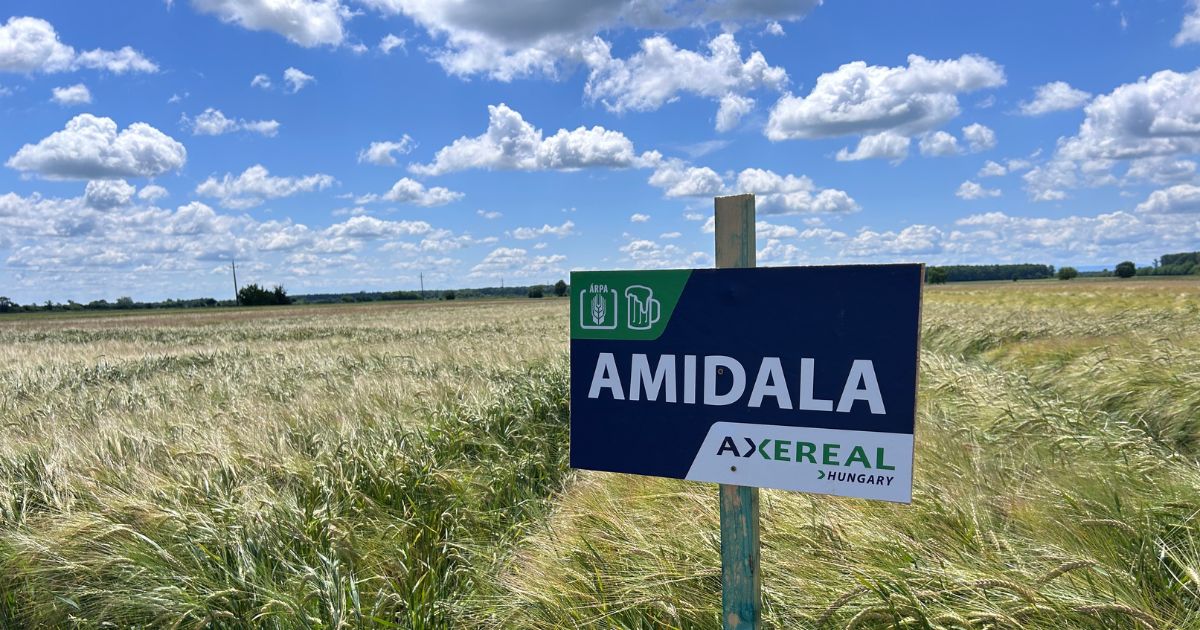
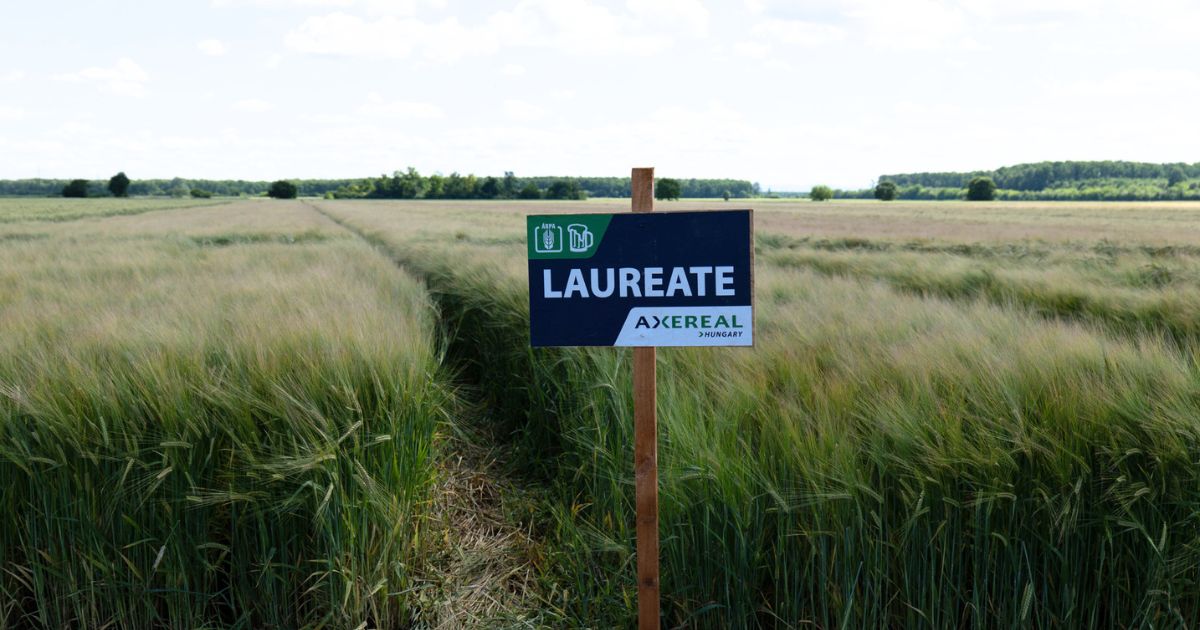
Varieties in the Axereal Hungary Kft. portfolio—such as Laureate and Amidala—have demonstrated their adaptability even under the volatile and often drought-prone conditions of recent years, delivering stable yield levels and excellent quality for growers. Should you require further information, please feel free to contact our sales representatives responsible for your area.
Champs à renseigner


